Meeting your fibre requirements is one of the simplest and most overlooked ways to improve your gut health, heart health and long-term wellbeing. Yet despite clear recommendations, most Irish adults are still falling short.
Recent Irish dietary surveys show that the average fibre intake in Ireland is just 18g per day, and worryingly, there has been no improvement between the most recent national survey and the previous one. That means we are consistently missing a major opportunity to improve public health.
Guidelines recommend that adults aim for 25–35 grams of fibre per day . So how do we close the gap?
Key Takeaways
- Adults should aim for 25–35g of fibre per day
- The average Irish intake is only 18g
- Fibre supports gut health, heart health, blood sugar balance and weight management
- Soluble and insoluble fibre both play different but important roles
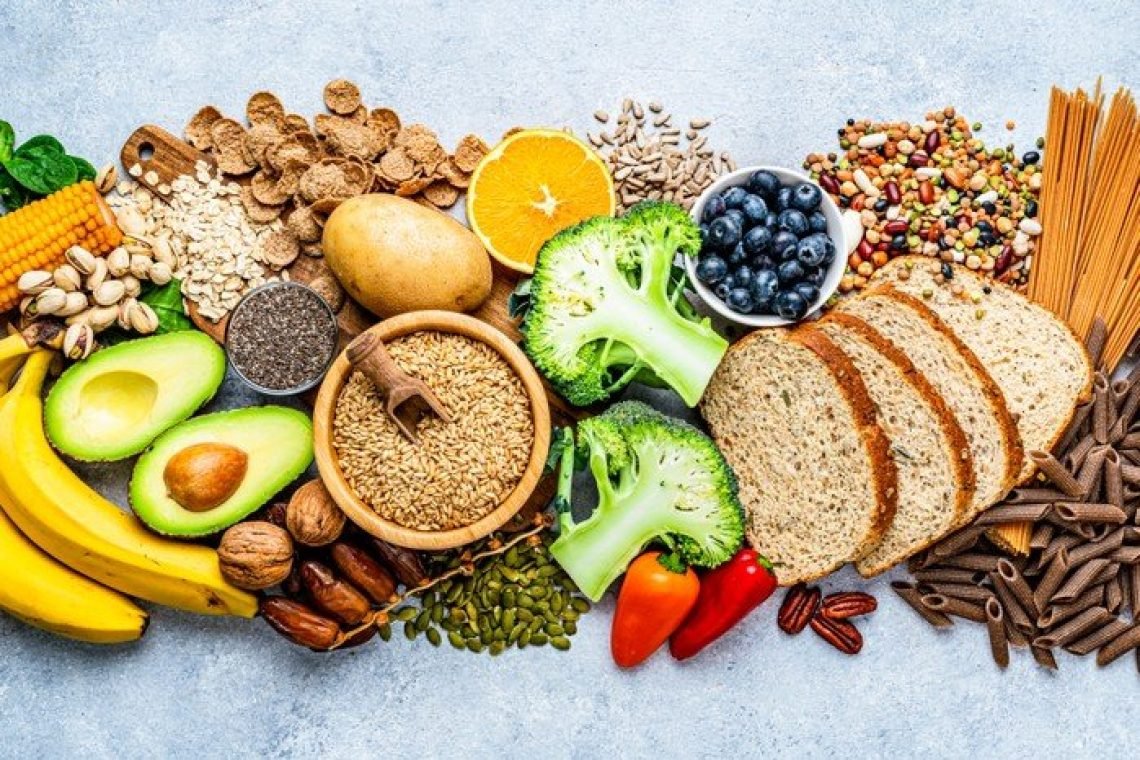
- Beans, lentils, wholegrains, seeds and berries are among the highest fibre foods
- Increasing fibre gradually and drinking enough fluids prevents bloating
Why Fibre Matters More Than You Think
Fibre is found in plant foods and passes largely undigested into the large intestine. Higher fibre intake is associated with:
- Reduced risk of cardiovascular disease
- Lower LDL cholesterol
- Reduced risk of type 2 diabetes
- Improved bowel function
- Reduced colorectal cancer risk
- Increased satiety and support for weight management
In other words, fibre isn’t just about “doing a good poo” — it is central to long-term health.
Fibre and Gut Health: What’s Actually Happening?
The average bowel transit time is one to three days, with most of that time spent in the large intestine . If transit time is slow, stool becomes dehydrated, harder and more difficult to pass.
Fibre helps by:
- Increasing stool bulk
- Drawing water into the bowel
- Feeding beneficial gut bacteria
- Supporting regular bowel movements
When bowel movements are comfortable, complete and regular, this reflects healthy gut function .
Soluble vs Insoluble Fibre: What’s the Difference?
Most plant foods contain a mix of both.
Soluble Fibre
Soluble fibre absorbs water and forms a gel-like substance in the gut. This slows digestion, helps stabilise blood sugar and can lower cholesterol levels.
| Food | Serving Size | Soluble Fibre (g) |
|---|---|---|
| Passion fruit | ½ cup | 6.5 |
| Avocado | ½ fruit | 2.0 |
| Brussels sprouts | ½ cup | 2.0 |
| Orange | 1 medium | 2.0 |
| Sweet potato | ½ cup | 2.0 |
| Porridge oats | ½ cup | 2.0 |
| Black beans | 1 cup | 5.0 |
| Navy beans | 1 cup | 4.5 |
| Chia seeds | 15g | 5.0 |
| Psyllium husk | 1 tbsp | 3.5 |
Soluble fibre is particularly helpful for:
- High cholesterol
- Blood sugar control
- Irritable bowel symptoms
- Dry stools
Insoluble Fibre
Insoluble fibre adds bulk to stool and speeds up bowel transit. It is especially useful when stools are small or sluggish.
Wholegrains, vegetables, nuts and seeds are key sources.
If stools are small, increasing insoluble fibre can help . If stools are dry, increasing soluble fibre and fluid is more appropriate .
Fibre Content of Everyday Foods
Below is the fibre content table, showing how easy it can be to build towards 25–35g daily.
Fruit & Vegetables
| Food | Fibre (g) |
|---|---|
| Pear | 5g |
| Raspberries (80g) | 3g |
| Mango (80g) | 3g |
| Orange | 3g |
| Brussels sprouts (80g) | 3g |
| Broccoli (80g) | 2g |
| Carrots (80g) | 2g |
| Green beans (80g) | 3g |
| Baked potato | 6g |
Beans, Lentils & Pulses
| Food | Fibre (g) |
|---|---|
| Kidney beans (80g) | 7g |
| Broad beans (80g) | 6g |
| Butter beans (80g) | 5g |
| Chickpeas (80g) | 4g |
| Lentils (80g) | 3g |
| 200g baked beans | 10g |
Grains, Seeds & Cereals
| Food | Fibre (g) |
|---|---|
| 40g All Bran | 11g |
| 2 shredded wheat | 6g |
| 2 Weetabix | 4g |
| 30g chia seeds | 10g |
| 30g flaxseed | 8g |
| Brown spaghetti (100g) | 8g |
| 2 slices wholemeal bread | 6-8g |
What 30g of Fibre Looks Like in a Day
Here’s a simple Irish example:
Breakfast
- 2 Weetabix (4g)
- 1 medium pear (3g)
- 1 tbsp flaxseed (3g)
- Milk
Total: 10g
Lunch
- 2 slices wholemeal bread (8g)
- Chicken
- Salad in the sandwich eg lettuce, tomato, cucumber (2g)
Total: 10g
Dinner
- Baked potato (6g)
- Fish
- Broccoli & carrots (4g)
Total: 10g
Daily total: 30g
Completely achievable — without anything extreme.
How to Increase Fibre Without Feeling Bloated
If you jump from 15g to 35g overnight, your gut will complain.
Instead:
- Increase fibre gradually (no more than 5g per week max!)
- Drink adequate fluids (as fibre increases, water intake needs to increase too)
- Include movement daily (30 min walk can speed up gut transit time by 12 hours)
- Aim for fibre at every meal (spread it out across the day)
Frequently Asked Questions About Fibre
How much fibre should I eat per day in Ireland?
Adults should aim for 25–35 grams per day . Current Irish intake averages just 18g.
What are the highest fibre foods?
Chia seeds, flaxseeds, beans, lentils, All Bran, and berries are among the highest sources.
Is fibre good for weight loss?
Yes. Fibre increases fullness, slows digestion and can reduce overall calorie intake. The evidence links higher fibre intake to healthier body weight.
Does fibre lower cholesterol?
Soluble fibre can reduce LDL cholesterol by binding bile acids and reducing absorption.
Can fibre reduce diabetes risk?
Higher fibre diets are associated with lower risk of type 2 diabetes due to improved blood sugar control.
What is the best fibre for constipation?
A mix of soluble and insoluble fibre works best. If stools are dry, increase soluble fibre and fluids .
Can you eat too much fibre?
Very high intakes without fluids can cause bloating, cramps and discomfort.
Is brown rice high in fibre?
Brown rice contains some fibre but less than beans, seeds and high-fibre cereals.
Are beans better than fruit for fibre?
Beans are among the richest fibre sources per portion, often providing 5–10g per serving.
How long does it take for fibre to work?
Transit time averages 1–3 days . Increasing fibre can improve bowel regularity within days to weeks.
Final Thoughts
We don’t need a superfood. We need consistency.
If the average Irish intake is 18g and hasn’t improved between surveys, the opportunity is clear. A small daily shift — beans in a curry, seeds on breakfast, wholemeal instead of white — can bridge the gap to 25–35g.
And your gut (and heart) will thank you for it.