Key Takeaways
- Most adults need 1.2–1.6g of protein per kg body weight, not extreme amounts.
- A 70kg person requires roughly 84–112g of protein per day.
- A high protein plant-based diet is achievable with careful planning.
- Strategic additions such as protein powder, high-protein soy milk, tofu, quinoa, hemp seeds and nutritional yeast can significantly increase intake.
- 120g of plant protein per day is possible — but not necessary for most people.
Can You Get Enough Protein on a Plant-Based Diet?
One of the most common concerns I hear in clinic is: “How will I get enough protein if I follow a vegan or plant-based diet?” It’s a fair question. Protein is essential for muscle repair, immune function, hormone production and overall health. However, the fear of deficiency is often exaggerated. With the help of a Dietitian, you can absolutely meet your protein requirements on a vegan or exclusively plant-based diet. It simply requires understanding your needs and making intentional food choices across the day. To demonstrate what’s possible, I’ve outlined an example day providing approximately 123g of plant-based protein. This is not a recommendation for everyone — rather, it shows how protein targets can be met when needed.
How Much Protein Do You Actually Need?
For most adults, protein requirements fall between 1.2 to 1.6 grams per kilogram of body weight per day. This range is particularly relevant for active individuals, those trying to preserve muscle during fat loss, people recovering from injury and individuals over 40 concerned with muscle maintenance. For example, if you weigh 70kg, your protein needs would be 84g to 112g per day. So while 120g of protein is achievable, it is more than most people require.
Protein Requirements by Body Weight
| Body Weight (kg) | 1.2g/kg (g protein) | 1.6g/kg (g protein) |
|---|---|---|
| 55kg | 66g | 88g |
| 60kg | 72g | 96g |
| 70kg | 84g | 112g |
| 80kg | 96g | 128g |
| 90kg | 108g | 144g |
This table helps put things into perspective. Many people assume they need extremely high protein intakes, when in reality their requirements are much more moderate. That said, there are situations where aiming toward the higher end of the range makes sense. The key is individualisation.
What a 120g High Protein Plant-Based Day Looks Like
To illustrate how a high protein plant-based diet can work in practice, here is a full day of eating that provides approximately 123g of protein and around 2,230 kcal. This example uses strategic protein “top-ups” throughout the day, including protein powder, fortified soy milk, nutritional yeast, quinoa and hemp seeds.
Breakfast (45g Protein | 650 kcal)
Breakfast is often where plant-based diets fall short on protein. Many people default to toast or porridge alone, which may only provide 8–12g of protein. Instead, this breakfast deliberately layers multiple protein sources. A high protein iced coffee made with espresso, one scoop of protein powder, high protein soy milk and ice provides 26g of protein. Alongside this, 30g almond butter on two slices of toast, one medium banana and 150g soy yoghurt contribute approximately 22g of protein. This brings breakfast to approximately 45g of protein. The key here is stacking protein sources rather than relying on just one. Soy milk, soy yoghurt and protein powder significantly elevate the total without dramatically increasing volume.
Lunch (22g Protein | 520 kcal)
Lunch is built around whole food plant protein sources. One tin of mixed beans combined with one tablespoon of olive oil, fresh coriander, tomatoes, mixed peppers and two teaspoons of nutritional yeast provides approximately 22g of protein. Beans are an excellent foundation, but the addition of nutritional yeast quietly increases protein while also contributing vitamin B12 and a savoury flavour. Small additions like this make a meaningful difference over the course of a day. By this point, protein intake has already reached 67g, meaning many individuals would already be close to meeting their daily requirements.
Dinner (40g Protein | 700 kcal)
Dinner is often the easiest meal to centre around protein. This meal includes 160g cooked quinoa alongside a tofu stir-fry made with half a block of tofu and 160g mixed stir-fry vegetables, topped with 20g hemp seeds. This provides approximately 40g of protein. There are a few smart strategies here. Choosing quinoa instead of rice increases protein content. Using tofu as the centrepiece provides a substantial protein base. Adding hemp seeds boosts protein further without adding excessive volume. Rather than dramatically increasing portion sizes, this approach enhances protein density within the meal.
Supper (16g Protein | 360 kcal)
A small evening snack can help distribute protein more evenly across the day, which may support muscle protein synthesis. We don’t know for certain that this is required, but with plant based protein meal plans I like to err on the side of caution. This supper includes 30g oats, 150ml high protein soy milk and 25g peanut butter, providing approximately 16g of protein. Again, the use of high protein soy milk instead of standard plant milk meaningfully increases the total.
Daily Totals
| Meal | Calories (kcal) | Protein (g) |
|---|---|---|
| Breakfast | 650 | 45 |
| Lunch | 520 | 22 |
| Dinner | 700 | 40 |
| Supper | 360 | 16 |
| Total | 2,230 kcal | 123g |
This example demonstrates that achieving over 120g of protein on a high protein plant-based diet is entirely possible with thoughtful planning. However, most people do not need this amount.
Key Strategies for Building a High Protein Plant-Based Diet
If you are aiming to increase protein intake, use protein top-ups such as protein powder in coffee or smoothies, nutritional yeast in salads or pasta, hemp seeds on stir-fries or porridge and high protein soy milk instead of standard plant milk. Small additions prevent meals from becoming excessively bulky. Choosing higher-protein swaps such as quinoa instead of white rice, soy yoghurt instead of coconut yoghurt and tofu instead of vegetables alone can significantly increase total intake over time. Distributing protein across the day is also important for things like hunger management, blood sugar control etc…
Is a High Protein Plant-Based Diet Necessary for Everyone?
Not necessarily. If you weigh 60kg, your needs are roughly 72–96g per day. If you weigh 70kg, your needs are 84–112g per day. Consuming 120g may be appropriate for strength training individuals, those in a calorie deficit wanting to preserve muscle (especially if on GLP medications), athletes and individuals with higher body weight. For many people, aiming for 85–100g will be entirely sufficient. The goal is adequacy, optimising health goals.
Common Mistakes on a Vegan Diet
Common mistakes include skipping protein at breakfast, over-relying on ultra-processed vegan alternatives, not planning meals and underestimating protein requirements. Plain toast or porridge may only provide 8–10g of protein, making it difficult to reach targets later in the day. While vegan meat alternatives can help, they should not be the sole strategy. Planning and awareness of body weight-based requirements make a significant difference.
Frequently Asked Questions About a High Protein Plant-Based Diet
How do vegans get enough protein?
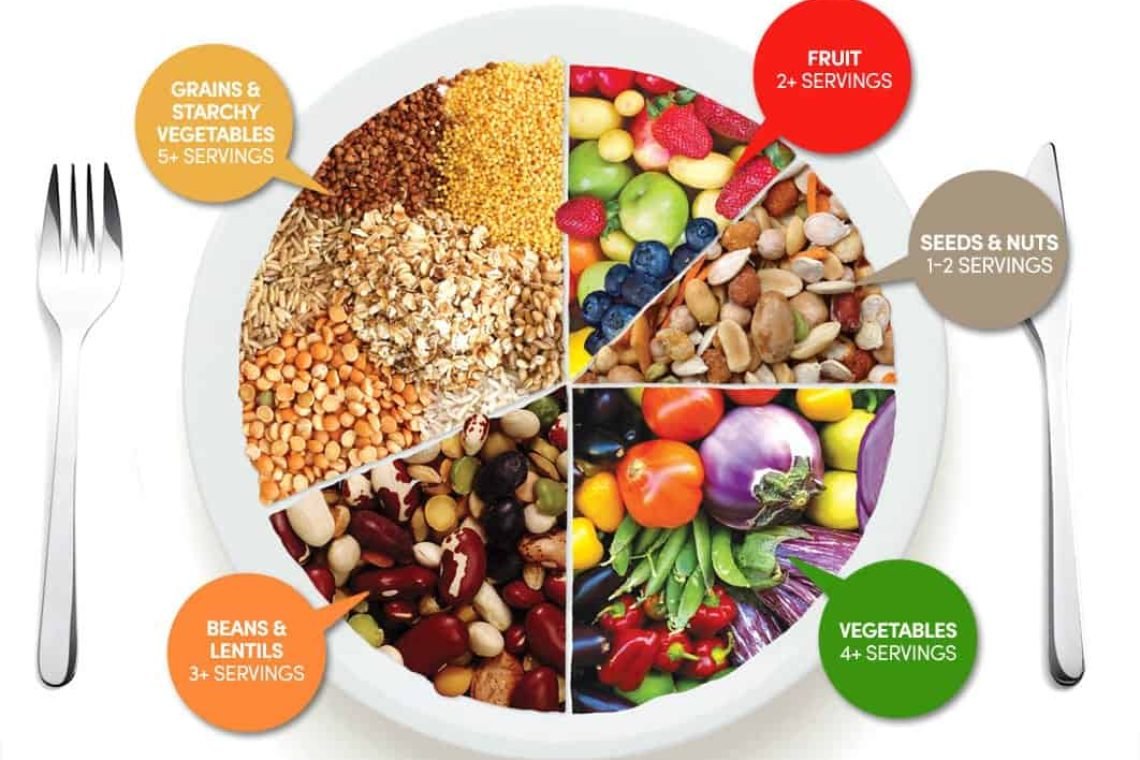
Vegans meet protein needs by combining legumes, tofu, tempeh, soy products, whole grains, nuts and seeds across the day. Strategic additions such as fortified soy milk, nutritional yeast and hemp seeds significantly increase intake without drastically increasing portion sizes.
How much protein do I need on a plant-based diet?
Most adults require 1.2–1.6g per kg body weight per day. A 70kg individual therefore needs approximately 84–112g daily, depending on activity level and goals.
Is 120g of protein too much?
For many people, yes. While 120g is safe and achievable, it may exceed requirements. However, it is unlikely to do any harm, especially if your kidneys are healthy.
Can you build muscle on a vegan diet?
Yes. Muscle growth depends on total protein intake, adequate calorie intake and resistance training. A well-planned plant-based diet can fully support muscle building.
What are the best high-protein plant foods?
Tofu, tempeh, edamame, lentils, chickpeas, black beans, quinoa, hemp seeds, soy yoghurt and high protein soy milk are among the most effective options.
Is quinoa better than rice for protein?
Quinoa contains more protein than white rice. It is a useful swap when aiming to increase protein intake.
Is protein powder necessary on a vegan diet?
Not always. Many individuals can meet needs through whole foods, but protein powder can make higher targets more practical.
How much protein does tofu contain?
Half a standard block of tofu typically provides between 18–25g of protein, depending on brand and firmness.
Can you lose weight on a high protein plant-based diet?
Yes. Higher protein intake may support satiety and muscle preservation during fat loss, although overall calorie intake determines weight change.
Is plant protein as good as animal protein?
When total intake is sufficient and varied, plant protein can fully meet requirements. Consuming a range of plant sources across the day ensures adequate essential amino acids.
Final Thoughts
A high protein plant-based diet is not only possible — it can be practical, balanced and enjoyable. The example above demonstrates how 123g of plant protein can be achieved in a single day using thoughtful planning and strategic additions. However, most people require less than this. If you are unsure how much protein you personally need, or if you are transitioning to a vegan diet and want to ensure nutritional adequacy, working with a Dietitian can provide clarity and reassurance.