In collaboration with Hazel Windsor-Aubrey
Key Takeaways
- Good nutrition during pregnancy supports long-term health for both mother, baby and future generations.
- Recommended weight gain depends on pre-pregnancy BMI – not everyone needs the same. Although your weight may need to be measured during pregnancy, you can ask practitioners to avoid telling you the numbers if you find it triggering. You are likely to be weighed when you meet the midwife at about 12 weeks, potentially at your 20 week scan and on the day of delivery (if there is time!). You may also be weighed at your GP surgery if you opt to go down the combined care route.
- Essential nutrients during pregnancy include folic acid, iron, DHA (omega-3), and vitamin D.
- Balanced meals with a variety of whole foods help ensure nutrient needs are met naturally. This can also prevent common pregnancy side effects such as constipation.
- Poor nutrition as well as extreme weight gain or not gaining enough can increase risk of complications during pregnancy, for both mother and baby.
Why Pregnancy Nutrition Matters More Than Ever
During pregnancy nutrition becomes more important than ever. You’re not just eating for two — you’re eating to shape the health of your baby, not only at birth but potentially for their entire life. And, what you eat may impact the future children of the baby you’re growing!
Research shows that what a mother eats during pregnancy can influence everything from the baby’s birth weight to their long-term risk of chronic conditions like heart disease, obesity, and type 2 diabetes. For mothers, good nutrition helps reduce the risk of complications such as preeclampsia, gestational diabetes, and excessive weight gain as well as helping pregnant mum’s to feel as well as possible throughout their pregnancy
In short, every bite counts — and making small, intentional food choices each day can set both you and your baby up for a healthier future. I also want to say, before we continue, that it can be EXTREMELY challenging to eat well during pregnancy. I had hyperemisis for my second pregnancy, and eating was about surviving. Nausea and fatigue can really get in the way too, so this article is not intended to scare you, or make you feel bad. The challenges can be real! And, a dietitan can help you overcome your challenges.
Healthy Weight Gain During Pregnancy: What the Guidelines Say
One of the most misunderstood aspects of pregnancy nutrition is weight gain. Many expectant mums assume they’ll gain a lot of weight — or feel pressure not to gain too much. The truth is, healthy weight gain depends entirely on your pre-pregnancy weight, and there’s a recommended range for each body size. It’s a difficult one to predict as internal physiology changes so much, and varies from person to person and pregnancy to pregnancy. These are general guidelines which should be taken as exactly that – guidelines.
For those that work in pounds, it’s about a pound of week for every week once you hit trimester 2.
General Guidelines for Weight Gain During Pregnancy
| Pre-pregnancy BMI | Category | Recommended Weight Gain |
| Less than 18.5 | Underweight | 12.5 to 18 kg |
| 18.5–24.9 | Normal weight | 11.5 to 16 kg |
| 25–29.9 | Overweight | 7 to 11.5 kg |
| 30 or above | Obese | 5 to 9 kg |
Gaining too little can increase the risk of having a low birth weight baby, which may affect development. On the other hand, gaining too much weight increases the chances of complications such as:
- Pre-eclampsia (a rise in blood pressure)
- Gestational diabetes (a rise in blood sugar levels)
- Caesarean delivery
- High birth weight
- Long-term weight retention after pregnancy
It’s important to know that weight gain is necessary, and it’s not just fat stores and the baby. The baby may be 3-4kg, the uterus and amniotic fluid may be another 2kg, blood and the placenta may be 2-3kg while bigger breast may add another 0.5-1kg! 10 to 14kg weight gain, about 2 to 2.5 stone, is considered typical, normal and healthy.
Body shape changes too. I remember losing weight in the first trimester with nausea yet I was still unable to close my bra due to the widening of my back. All these changes can be super hard for some women, while others will be more proud of their body than ever.
Support from a registered dietitian can make a huge difference — especially for women who begin pregnancy overweight or with a history of restrictive eating. Programmes that include personalised advice, regular check-ins, and encouragement have been shown to help with healthy weight gain and help mums return to a healthy space postpartum.
What to Eat During Pregnancy: Building a Balanced Plate
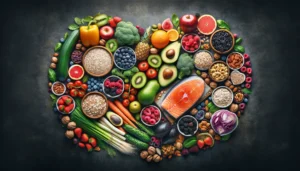
Knowing what to eat during pregnancy can feel overwhelming, especially when appetite, nausea, and cravings fluctuate. Rather than overthinking every meal, focus on balance and consistency across the day. The goal is to eat a variety of nutrient-rich foods that support both energy levels and fetal development.
A balanced pregnancy meal typically contains:
- Protein – supports growth and tissue repair
- Complex carbohydrates – provide slow-release energy
- Healthy fats – essential for brain development
- Fibre – supports digestion and bowel regularity
- Vitamins and minerals – support immune function and hormonal balance
Recommended Food Groups
Aim to include a variety of foods across the week, focusing on:
- Lean proteins: chicken, turkey, white fish, shellfish, lean red meat, eggs, beans, lentils, tofu
- Omega-3 rich fish once a week (low in mercury): eg salmon, mackerel, sardines
- Whole grains: oats, quinoa, brown rice, wholegrain bread, potatoes, sweet potatoes, butternut squash, legumes.
- Colourful fruit and vegetables: aim for 5 to 7 portions per day
- Dairy or calcium-fortified plant alternatives (please shake them lots before using them)
- Nuts, seeds and extra virgin olive oil.
Foods and Habits to Avoid During Pregnancy
While it’s important to focus on eating more of the good stuff, there are also certain foods and habits to limit or avoid:
| Avoid / Limit | |
| Alcohol | Smoking |
| Raw or undercooked meat | Prescription medications need to be checked by your prescribing doctor |
| Unpasteurised milk, yogurt & soft cheese | Raw fish and meat |
| High-mercury fish (e.g. swordfish, shark, marlin) | Liver and pâté |
| Excess caffeine (over 200mg/day) | Mould-ripened and blue cheese unless cooked until super hot |
| Raw eggs (they need to be hard boiled) | 99 ice-creams |
| Deli meats / Deli coleslaw | Uncooked cured meats |
| Excess refined sugar | More than 4 tins of tuna |
| Supplements with vitamin A | Cod liver oil |
| Uncooked sprouted seeds | Uncooked enoki mushrooms |
| Unwashed fruit and veg | Eggs & meat which are not cooked through |
| Game meat | Coffee from a coffee shop |
Coffee and caffeine
When it comes to caffeine, 200mg per day is considered the safe limit — that’s roughly one strong coffee or two teas per day. The caffeine content when you get a coffee from a coffee shop can vary so much from day to day, and from shop to shop. So, if buying a coffee out I would recommend opting for a decaf.
Insomnia during pregnancy is a regular problem. The half-life of caffeine increases during pregnancy and is about 8.3h longer on average (but can be up to 16 hours!). This means that if you drink a coffee after 2 pm, there will still be more than half a cup of coffee floating around in your blood stream when going to bed. If insomnia is an issue, I would implore you to decrease your intake slowly and stick to a maximum of 200mg of caffeine per day. Or, perhaps, reducing it right down to prioritise sleep. The ability to tolerate caffeine gets worse the more pregnant you are so in the final weeks you’re best off avoiding it, until you’re sleeping like a… well, not a baby, they don’t really sleep for long periods!!
Snap shop view of Key Nutrients changes for a Healthy Pregnancy
- Nutrient requirements increase more during pregnancy and lactation than do calorie requirements. This emphasises the importance of focusing on nutrient density rather than a blanket increase in calories.
- Metabolism increases by an average of 15% (when pregnant with 1 baby). There is massive variability, especially during the 3rd trimester.
- When we consider calories (a measure of energy), the calories burned in voluntary activity e.g planned exercise is the largest variable. However, overall calorie needs can be estimated as 40-45kcal per kg each day.
- The body’s demand for protein increases throughout the pregnancy, being greatest nearer the end. It ends up being about 20% of the calories we eat.
- Your vitamin B12 levels need to be monitored, especially if you have Crohns, coeliac disease, use PPIs (proton pump inhibitors for reflux), have had gastric bypass surgery or are taking metformin.
- A focus on choline throughout pregnancy may be beneficial, especially in the 3rd trimester. Milk, meat and eggs are great sources. Choline is important for babies brain development and neural tube formation. Be aware that some prenatal supplements don’t contain added choline.
- Vitamin C requirements may increase, particularly if you’re a smoker, abuse alcohol, take drugs or are prescribed aspirin. Bell peppers are a terrific provider of this important nutrient. Vitamin C is also important for the absorption of iron, another nutrient of concern in pregnancy.
- Be extra vigilant with calcium intakes if you don’t consume dairy. Studies show that although soya milk is fortified with the same amount of calcium as dairy. This often precipitates to the bottom of the container. It’s a challenge to incorporate the sludge with the milk. Therefore, the milk only contains 31% of the labelled amount without shaking, and 59% with shaking.
- Because the thyroid hormone synthesis increases by 50% during pregnancy, iodine requirements also increase. We know Irish intakes may not be good enough in pregnant women, as intakes of dairy and fish can fall short. Iodine deficiency is the most common cause of preventable intellectual developmental disability in the world. Iodine is higher in white fish than oily fish, and the iodine is typically found just below the skin. So, cook the fish skin up and eat it all! Marine fish have 6 times the iodine of fresh water fish. And, less is lost in cooking when you grill or fry it than when you boil it.
A well-balanced pregnancy diet includes the same basic food groups you’re already familiar with — fruits, vegetables, whole grains, protein, and healthy fats — but with increased attention to certain key nutrients. These nutrients play a vital role in supporting the development of your baby while also keeping you feeling well.
Sample 1-Day Pregnancy Meal Plan
| Time | Meal | Example |
| Breakfast | Protein + wholegrain | Fortified breakfast cereal with milk, berries, yoghurt and chia seeds |
| Snack | Fibre + protein | Apple with peanut butter |
| Lunch | Balanced plate | Chicken salad with chickpeas, pesto, mixed vegetables |
| Snack | Calcium boost | Greek yoghurt with fruit |
| Dinner | Omega-3 focus | Grilled salmon, sweet potato, steamed broccoli |
| Evening (if needed) | Light snack | Wholegrain toast with hummus |
Nutrients in more detail
Folic Acid: Protecting the Brain and Spine
Folic acid is a type of B vitamin that helps prevent serious neural tube defects, such as spina bifida amd anencephaly, which affect the development of the baby’s brain and spine. NTD affect approximately 1 in 1000 pregnancies in Europe. In 19991 research confirmed that the majority of NTDs could be prevented if the mother took folic acid supplements pror to ceonception and in the first trimester.
These defects occur very early in pregnancy — often before you even know you’re expecting — which is why folic acid is recommended both before conception and during the first 12 weeks of pregnancy.
Research shows that getting the right amount of folic acid can reduce the risk of neural tube defects by 50% to 70%.
- Standard recommended supplement: 400 micrograms per day
- Sources: Fortified cereals, leafy greens, beans and citrus fruit.
Who Needs a Higher Dose?
Some women are advised to take a higher dose of folic acid — typically 5mg per day, prescribed by a doctor — if they fall into a higher-risk group. This includes women who:
- Have a BMI over 30
- Have diabetes (Type 1 diabetes and Type 2 diabetes)
- Take anti-epileptic or anti-seizure medication
- Have had a previous pregnancy affected by a neural tube defect
- Have coeliac disease or other conditions affecting absorption eg previous gastric bypass surgery
If you’re unsure which category you fall into, speak to a dietitian or GP before trying to conceive or as soon as you find out you’re pregnant. Even with a healthy diet, it’s difficult to get enough folate (the natural form of folic acid) from food alone — which is why supplements play such a key role in early pregnancy nutrition. Although most important in the first 12 weeks of pregnancy, most prenatal vitamin and mineral supplement brands will include it, and the advice is to take it for the entire pregnancy.
Iron: Preventing Anaemia and Supporting Growth
Iron needs increase significantly during pregnancy to support the baby’s growing blood supply and the mother’s own expanded blood volume. If iron levels drop too low, it can lead to anaemia and fatigue.
- Recommended amount: 16 mg (to 20mg) per day
- Sources: Red meat, tinned sardines, prawns, soya beans, lentils, legumes, eggs, fortified cereals
- Tip: Combine iron-rich plant foods with vitamin C (like orange juice) to boost absorption.
Many pregnant women are advised to take an iron supplement, especially during the second and third trimesters, or if blood tests show low levels. E.g ferritin less than 30. Often hospitals don’t check ferritin levels, but your GP might if you ask them! Generally women are advised not to take an iron supplement every day, and are advised to take it on an empty stomach before breakfast, tea or coffee. If taking eltroxin medication for your thryoid, please be aware that they shouldn’t be taken at the same time.
Omega-3 Fatty Acids (DHA): Building Baby’s Brain and Eyes
One of the most exciting areas of research in prenatal nutrition is the role of omega-3 fatty acids — especially DHA — in supporting brain and eye development.
- Recommended amount: 200–300 mg of DHA daily. Just one 170g salmon fillet contains about 2.3g omega 3’s
- Sources: Salmon, mackerel, sardines, and other oily fish (choose low-mercury options)
- Supplements: Fish oil or algae-based DHA supplements can be useful, especially for those who don’t eat fish.
Not all omega-3 sources are equal — while flaxseed is rich in ALA (a precursor to DHA), the body converts it inefficiently. For best results, prioritise direct sources of DHA from seafood or supplements (an algae supplement if vegan).
Vitamin D: Small Nutrient, Big Role
Vitamin D is essential for bone development, immune health, and healthy cell growth in both mother and baby. However, it’s difficult to obtain enough from food alone — especially in Ireland and Northern Europe, where sunlight exposure is limited for much of the year.
Studies have shown links between low vitamin D levels and increased risk of:
- Low birth weight
- Poor postnatal growth
- Preeclampsia (persistent high blood pressure that develops during pregnancy)
- Higher incidence of autoimmune conditions
Food sources include oily fish, eggs, fortified cereals, and fortified dairy products — but dietary intake is often too low, which is why many pregnant women are recommended to take a daily 15mcg vitamin D supplement throughout pregnancy.
You may require more if you are a woman of colour or have a bigger body due to extra body fat. Best ask your doctor, dietitian or midwife before taking extra vitamin D.
Supplements in Pregnancy: When Diet Isn’t Enough
While a food-first approach is ideal, pregnancy often increases nutrient demands to levels that can’t be met through diet alone. That’s where supplements can play a helpful supporting role.
Here are the most common supplements considered during pregnancy:
Folic Acid
As covered earlier, 400 micrograms daily is the standard dose for most women. However, those at higher risk (e.g. with a BMI over 30, epilepsy, or diabetes) may require a prescription for 5mg daily.
Iron
It’s estimated that 42% of pregnant women worldwide have iron deficiency anaemia. It makes a woman feel truly awful during pregnancy! How I’d describe it myself is that you feel less fit, and older. Eating red meat once or twice a week as well as fortified breakfast cereals can really make a difference. The second half of the pregnancy is where iron needs to become a focus. Your risk of low iron levels increases with pregnancy but also if the person doesn’t eat iron rich sources of food, if they have had gastric bypass surgery and with chronic use of antacids. It’s worth having your ferritin levels checked when your bloods are being done in the first trimester. If ferritin is less than 30, supplementation twice a week needs to be considered.
Women suspected of iron deficiency require a full blood count (FBC) and to have their ferritin leels checked. The treatment for iron deficiency anaemia is oral supplementation of 100-200 mg per day as elemental iron. Supplements that contain 305 mg ferrous fumarate or 325 mg ferrous sulphate are equal to 100 mg elemental iron.
Vitamin D
Due to limited sunlight in Ireland, many women are advised to take a 15 microgram daily supplement.
Omega-3 (DHA)
For women who do not regularly eat oily fish, a daily DHA supplement can help support foetal brain and eye development. Vegetarian or vegan? Look for algae-based DHA supplements. Can’t tolerate it due to fishy burps? Store it in the freezer and take it this way each morning.
Multivitamins
While not essential for everyone, a pregnancy-specific multivitamin can help cover nutritional gaps — especially during periods of nausea or reduced appetite. Avoid high-dose vitamin A (retinol), as it can be harmful during pregnancy. However, that tends not to be in multivitamins. If taking a multivitamin, you may not need to take vitamin D and folic acid too. If you have haemachromotosis, chose one without iron.
Iodine requirements increase to 200 micrograms daily during pregnancy. Three servings of milk or yogurt and eating white fish once a week is recommended to meet these requirements. A multivitamin usually provides it, but speak to your Dietitian if you don’t consume dairy or fish.
Always speak to a pharmacist, dietitian or GP before starting any new supplement during pregnancy.
Cod liver oil should be avoided during pregnancy as it is high in vitamin A.
Conclusion: Every Bite Counts
Pregnancy is an exciting, emotional, and sometimes exhausting journey — but with good nutrition, you’re giving your baby the best possible start in life.
From boosting your folic acid and vitamin D levels, to adding more fish and fibre, to avoiding risky foods, each small change adds up.
If you’re unsure where to begin, start simple: aim for balance, variety, and whole food — and don’t hesitate to reach out to one of our team for guidance.
Because when it comes to pregnancy nutrition, every bite really does count.
FAQs: Pregnancy Nutrition
1. What foods should I avoid during pregnancy in Ireland?
Avoid alcohol, high-mercury fish (like swordfish), raw or undercooked meat and eggs, unpasteurised dairy products (especially soft cheeses), deli meats, and excess caffeine. These can pose a risk to both you and your developing baby due to bacteria, toxins, or other contaminants.
2. How much weight should I gain during pregnancy?
It depends on your pre-pregnancy BMI. General recommendations range from 12 to 18kg. Speak to your GP or midwife to determine what’s healthy for you.
3. Can I eat fish during pregnancy?
Yes, and you should! Oily fish like salmon, sardines, and mackerel are rich in DHA, which supports your baby’s brain development. Stick to 1–2 servings per week of oily fish and enjoying shellfish and white fish the rest of the time should help you meet nutrient targets.
4. Do I need to take supplements during pregnancy?
Yes. Most women need folic acid and vitamin D. Some may also benefit from iron, DHA, or a pregnancy multivitamin. Always check with your healthcare provider.
5. Is it safe to drink coffee while pregnant?
Yes, but limit caffeine to 200mg per day — roughly one strong coffee or two teas.
6. What are signs of poor nutrition during pregnancy?
Signs may include extreme fatigue, anaemia, dizziness, poor weight gain, or unusual cravings. Always speak to a healthcare provider if concerned.
7. Can poor nutrition affect my baby later in life?
Yes. Poor maternal nutrition is linked to increased risk of obesity, diabetes, and cardiovascular issues in children.
8. Is a vegetarian or vegan diet safe during pregnancy?
Yes — with planning. Ensure adequate intake of iron, protein, calcium, DHA, and vitamin B12. Supplements may be required.
9. When should I start taking folic acid?
At least 3 months before conception and through the first trimester. Some women need a higher dose — speak to your GP.
10. How can I manage pregnancy cravings without overeating?
Eat regular, balanced meals, choose nutrient-rich snacks, and satisfy cravings in moderation. Don’t deprive yourself — just aim for balance.